EthIQa Professors' Series 2026
A Level RS Conferences with Leading University Academics
Philosophy Ethics & Religion
2026
UK
Welcome
The Academy Learning EthIQa A Level Conferences bring together leading academics and internationally recognised scholars to inspire, challenge and stretch students studying A Level Religious Studies and Philosophy.
Designed for students following AQA, OCR, Eduqas and Edexcel specifications, each conference explores key areas of the curriculum through university-level scholarship that is intellectually ambitious, engaging and directly relevant to examination success. Students not only deepen their understanding of the specification, but also encounter the wider philosophical, ethical and theological conversations that lie behind it.
Whether preparing for examinations, considering university study or simply wanting to explore the subject more deeply, students leave with greater confidence, sharper analytical skills and a richer understanding of the ideas they are studying.
Leading Academic Voices
A programme of lectures from leading academics, each bringing a distinctive perspective and area of expertise
Stronger Evaluation
A deeper understanding of key A Level topics and the scholarship that underpins high-level evaluation
Think Beyond the Classroom
Opportunities to explore ideas beyond the specification, encouraging intellectual curiosity and independent thinking
Follow us on
Teachers consistently tell us that students return inspired, more confident in tackling demanding ideas and better equipped for both A Level examinations and the transition to university study.
Exclusive Conference Notes
Every student receives a professionally printed set of exclusive conference notes, written especially for EthIQa by our guest speakers. These are not textbook extracts or generic revision handouts, but original material produced by leading academics specifically to accompany their lectures.
Available only to conference delegates, these notes provide students with access to contemporary scholarship, carefully explained arguments and fresh perspectives that can strengthen classroom understanding, deepen evaluation and support examination success.
It is one of the many ways EthIQa gives students a genuine academic advantage.
- Written by our speakers
- Available to delegates only
- Deepens evaluation & exam success
A unique academic experience. Exclusive resources. A genuine advantage for A Level students.
Study Day
Registration
9:00 (London: 9:30)
Introduction and Welcome
9:50 (London: 10:20)

Free Will – Or Just the Feeling of It?
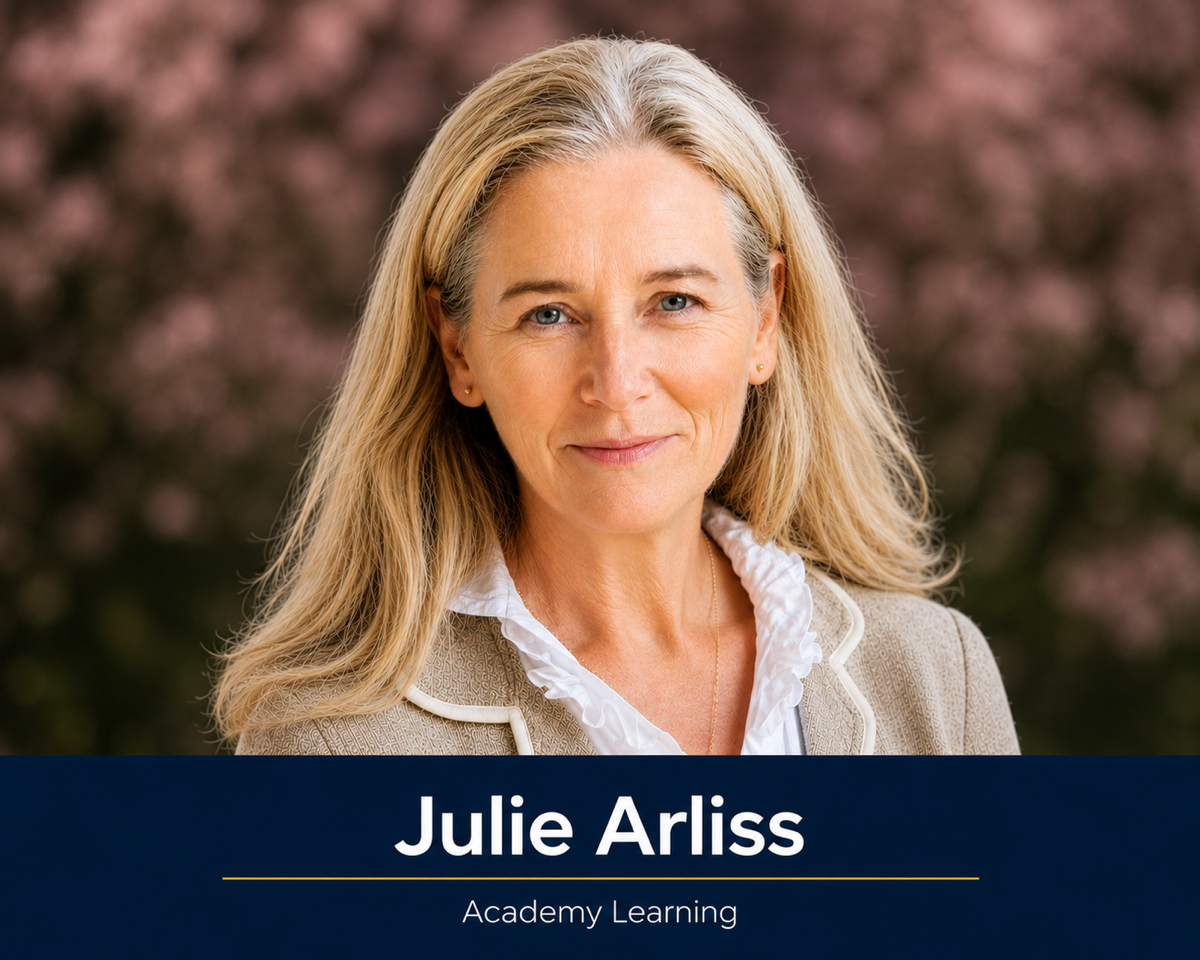
Julie Arliss
10:00 - 10:50 (London: 10:30 - 11:20)
Every day we experience ourselves as free. We weigh reasons, make choices and hold ourselves and others responsible for what we do. But what if that experience is an illusion? If every event has a cause, are our decisions simply the inevitable outcome of genetics, upbringing and brain chemistry? And if we are not truly free, can anyone be morally responsible for their actions?
In this thought-provoking session, students will explore one of the most enduring debates in philosophy and theology. Drawing on the work of thinkers such as Augustine, Aquinas, Hume and contemporary philosophers, they will examine the competing claims of libertarianism, determinism and compatibilism, and consider what modern neuroscience may contribute to the discussion.
Along the way, students will confront some unsettling questions. Could you ever have chosen differently? Is freedom compatible with an all-knowing God? Can punishment, praise and blame be justified if our actions are determined? And what becomes of morality if free will turns out to be an illusion?
This session offers a rigorous introduction to one of the most important questions in philosophy, ethics and religious thought: are we genuinely free, or do we simply feel as though we are?
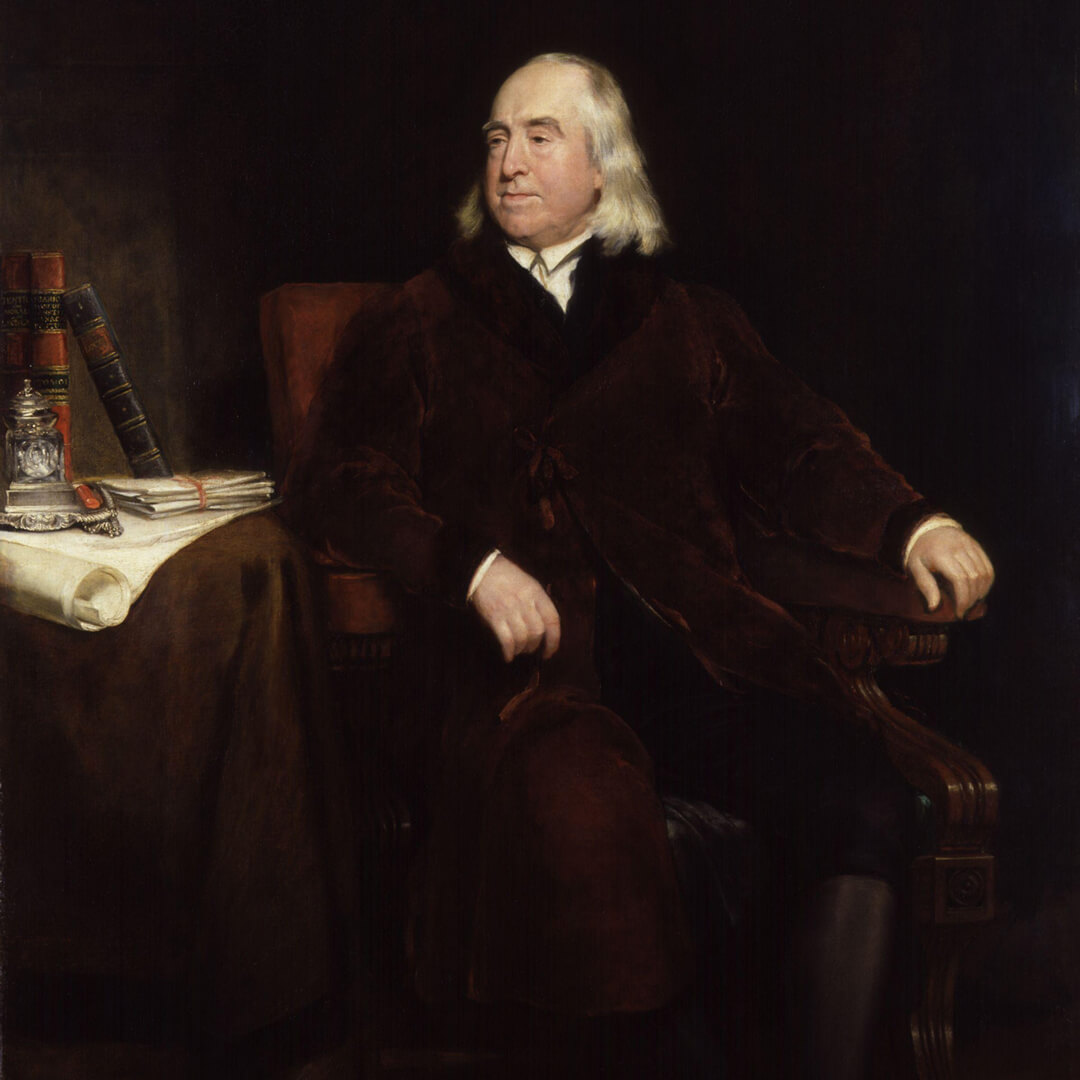
Why Rules Matter: Can Utilitarianism Answer Its Critics?
Professor Brad Hooker
10:50 - 11:40 (London: 11:20 - 12:10)
Most students encounter utilitarianism through Bentham, Mill and the familiar objections about justice, rights and the treatment of minorities. But are these criticisms decisive? In this lecture, Professor Brad Hooker introduces Rule-Consequentialism, one of the most influential developments in modern ethical theory and a theory with which his name is closely associated. Drawing on decades of research, he explores whether moral rules can help utilitarianism respond to its critics while remaining committed to promoting the good. Students will gain an insight into contemporary philosophical debate that goes well beyond the A Level specification, giving them access to ideas, arguments and examples that can bring greater sophistication, originality and depth to both examination answers and university applications.
Break
11:40 - 12:00 (London: 12:10 - 12:30)
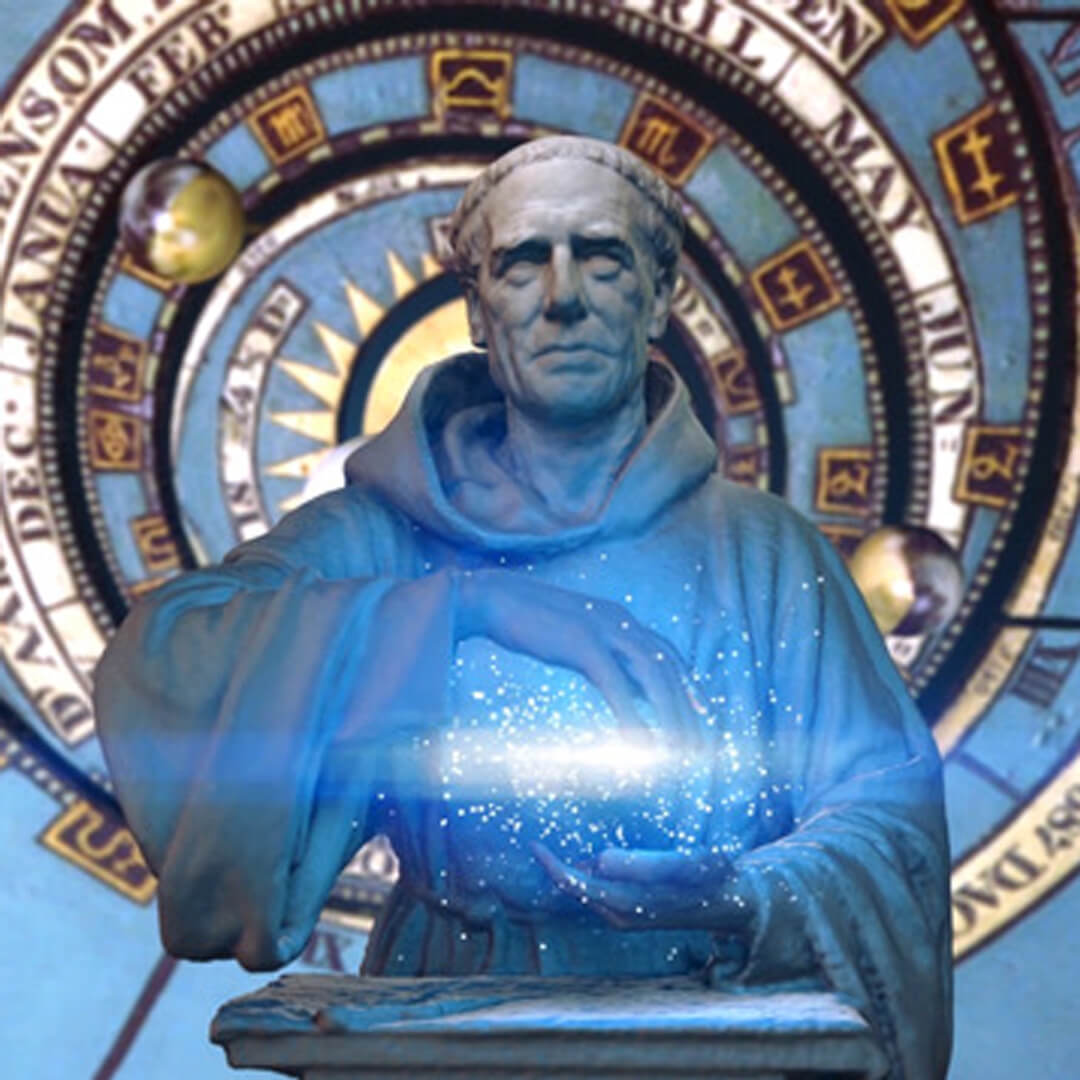
Science, Religion, and the Rationality of Faith: The Case of C. S. Lewis
Oxford: Professor Alister McGrath
Oxford: 12:00 - 12:50
Drawing on his latest book, Professor Alister McGrath uses the thought of C. S. Lewis to explore one of the most important questions in contemporary philosophy and theology: can belief in God still be considered rational in a scientific age? The lecture examines the relationship between science and religion, the role of faith and reason, the challenge of scientism, and the ways in which religious belief seeks to make sense of reality. An engaging exploration of themes that lie at the heart of Philosophy of Religion and Developments in Christian Thought.

What Would God Have to Be Like?
London: Professor Tim Mawson
Cambridge: Professor Daniel Moulin
Cambridge: 12:00 - 12:50 (London: 12:30 - 13:30)
If God exists, what sort of being could God be?
Could God know every future choice you will make and yet leave you genuinely free? Could God suffer, change, or respond to prayer? Is God in time, or beyond it altogether? And can the idea of an all-powerful being even make sense?
Drawing on some of the most fascinating debates in philosophy of religion, Dr Tim Mawson explores the traditional attributes of God through a series of classic philosophical puzzles and paradoxes. Students will grapple with questions about omnipotence, omniscience, eternity and perfect goodness, discovering why philosophers have spent centuries debating what it would mean for God to be the greatest conceivable being.
This session offers a thought-provoking introduction to one of the central questions of religious thought: what would a perfect being actually have to be like?

The Big Debate: This House Believes That Intentions Matter More Than Consequences
12:50 - 13:30 (London: 15:00 - 15:45)
What matters most when judging an action: what a person intended, or the results of what they did?
If someone acts with the best of motives but causes harm, have they acted well or badly? If a lie saves a life, is it justified? Should we judge actions by the principles behind them, or by the outcomes they produce?
In this lively and interactive debate, students will grapple with one of the central questions in moral philosophy. Drawing on ideas from Kant, Natural Law and Virtue Ethics, as well as Utilitarianism and contemporary Rule-Consequentialism, they will explore competing answers to a question that lies at the heart of ethical decision-making.
Students will be invited to vote, challenge arguments, and defend their own positions as the debate unfolds. A stimulating and thought-provoking conclusion to the day, this session brings ethical theory to life and demonstrates why questions first raised by philosophers centuries ago continue to shape debates about morality today.
Lunch
13:30 - 14:15 (London: 13:20 - 14:10)
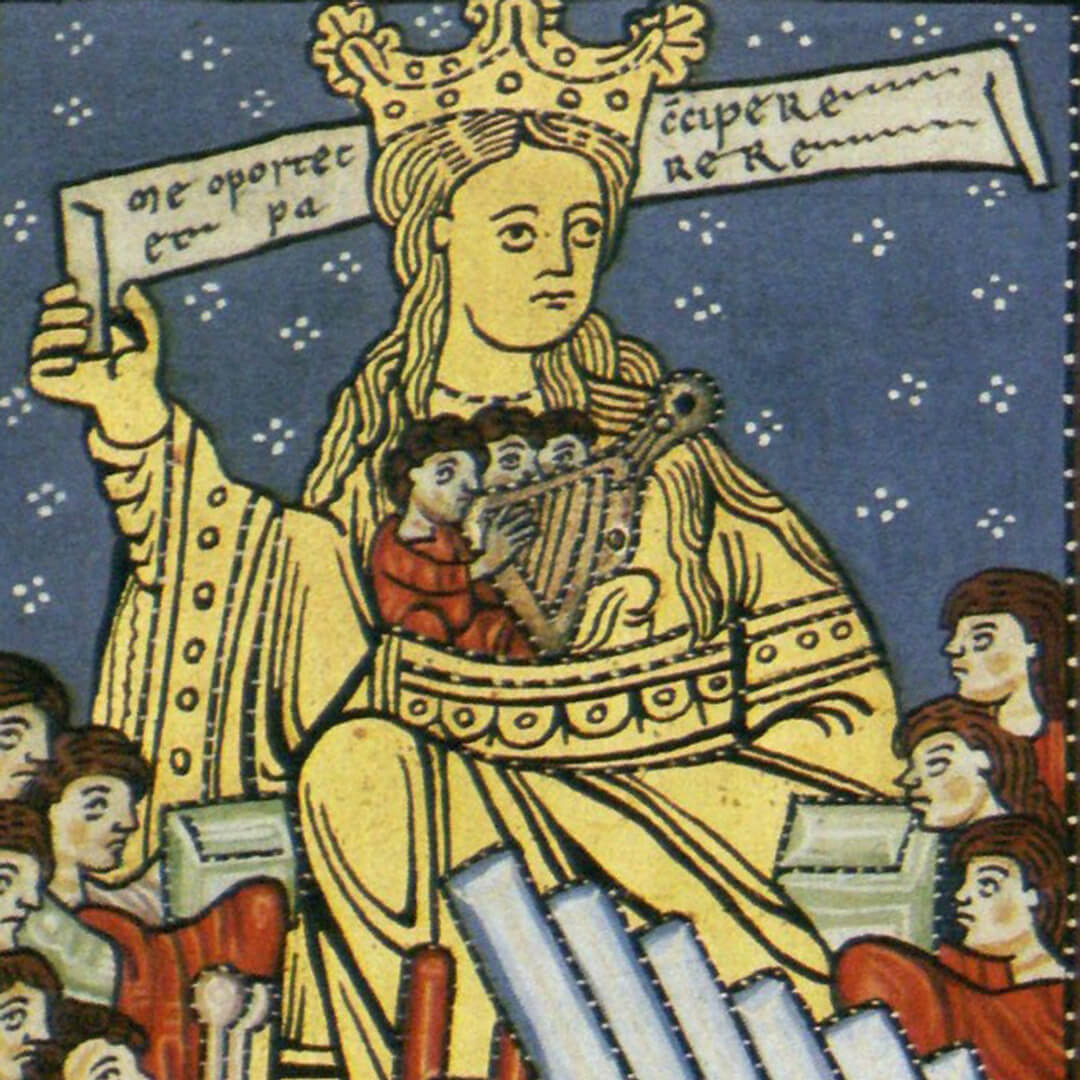
Symbols, Language, Truth
Professor Daphne Hampson
14:15 - 15:05 (London: 14:10 - 15:00)
A symbol is two things thrown together – Greek sym (together) ballein (to throw). Reality is caught up in the symbol for us, as also shaped through symbolic language. Therefore it is imperative that we get our symbols right, commensurate both with what we know today to be the case and at one with our ethical beliefs.
With this in mind we shall look at Christian symbolism which stems from the past through the lens of the present. We shall consider the Creation stories, Christology, Mariology in its implications for Christology, and those symbolic actions that are called sacraments. Are there ways of conceptualising that which is God which are at one with what we might want to say today?
Speakers

Julie Arliss
Julie Arliss is an educator, speaker and founder of Academy Learning, where she has spent more than two decades developing intellectually ambitious programmes for students, teachers and school leaders across the United Kingdom, Australia and New Zealand. A Farmington Scholar at Harris Manchester College, Oxford, Julie has worked closely with leading academics to make some of the biggest questions in philosophy, theology and ethics accessible to young people. Known for her engaging presentation style and thought-provoking approach, she challenges students to think critically, weigh competing arguments and engage seriously with profound questions about truth, morality, human nature and the meaning of life
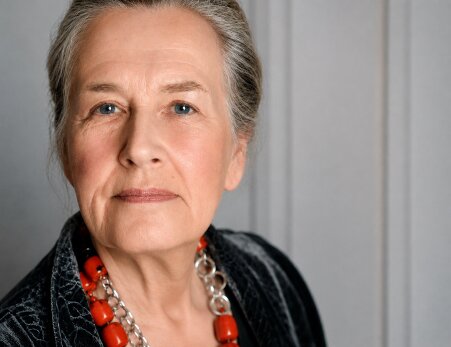
Professor Daphne Hampson
Daphne Hampson is a systematic theologian who works on the boundaries of theology, Continental philosophy and Feminist Theory. She holds doctorates in Modern History from Oxford and in Theology from Harvard. Daphne spent most of her career at the University of St Andrews, where she was given a personal Chair in Post-Christian Thought. In her retirement she is an Associate of the Department of Theology and Religion at Oxford University. She is the author ofTheology and Feminism (1990), After Christianity (1996/ 2002) as well as books on Kierkegaard and on the structure of Lutheran and Catholic thought. Her forthcoming Religion as Gender Politics: Theology, Feminism and Continental Philosophy will be out shortly.
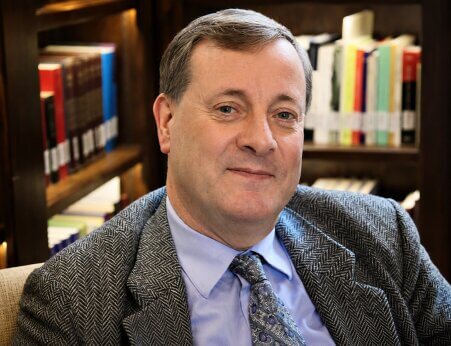
Professor Alister McGrath
Professor Alister McGrath is Professor Emeritus of Science and Religion at the University of Oxford and one of the world's leading scholars in theology, philosophy of religion, and the dialogue between science and faith. Uniquely qualified in both the natural sciences and theology, he holds doctorates in molecular biophysics, theology, and intellectual history from Oxford, and has spent his career exploring some of the most important questions about reason, belief, meaning and human understanding.
A named scholar on a number of A Level Religious Studies specifications, McGrath's work is widely studied by students exploring issues such as science and religion, religious language, natural theology, faith and reason, and the challenge of secularism. His books and ideas have shaped contemporary discussions about whether religious belief can be intellectually credible in a scientific age.
An acclaimed author and speaker, Professor McGrath has written more than sixty books, including influential works on C. S. Lewis, Christian theology, apologetics, and the relationship between science and religion. Renowned for combining academic rigour with exceptional clarity, he remains one of the most engaging and respected voices in contemporary theology.
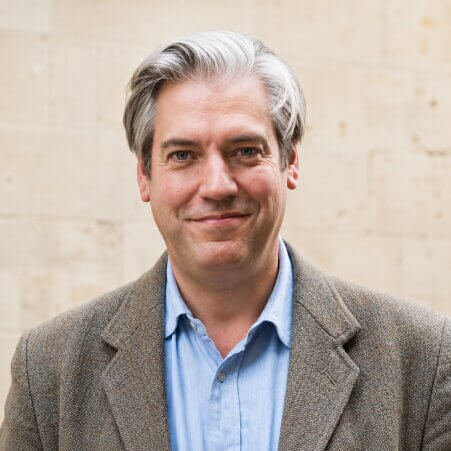
Professor Tim Mawson
Professor of the Philosophy of Religion at Oxford University and author of the Diving Attributes (Cambridge University Press)
Professor Mawson is an Oxford philosopher specialising in philosophy of religion, metaphysics and ethics. He is Edgar Jones Fellow and Tutor in Philosophy at St Peter's College, Oxford and the author of numerous books and articles exploring some of the deepest questions in philosophy, including the nature of God, human freedom, morality and the meaning of life. Known for his clarity, wit and ability to make complex ideas accessible, Tim is a popular speaker who combines rigorous philosophical argument with engaging thought experiments and real intellectual curiosity. His book The Divine Attributes offers a compelling exploration of the traditional characteristics ascribed to God and the philosophical puzzles they generate.
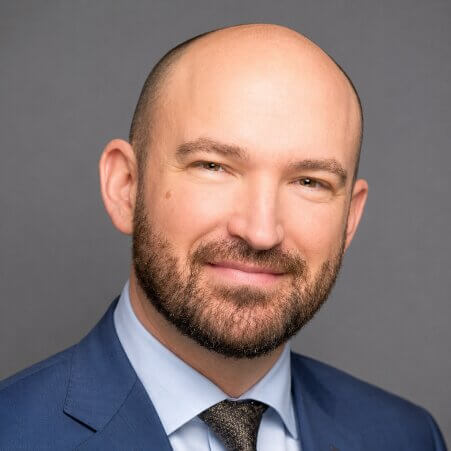
Professor Daniel Moulin
Professor Daniel Moulin is Associate Professor of Education at the University of Cambridge. His research explores religion, values, identity and the role of faith in contemporary society. A widely published academic and engaging speaker, Daniel is known for making complex ideas accessible and encouraging students to think critically about some of life's deepest questions. Combining philosophical reflection with contemporary scholarship, he invites students to engage thoughtfully with the enduring questions that lie at the heart of religious belief.
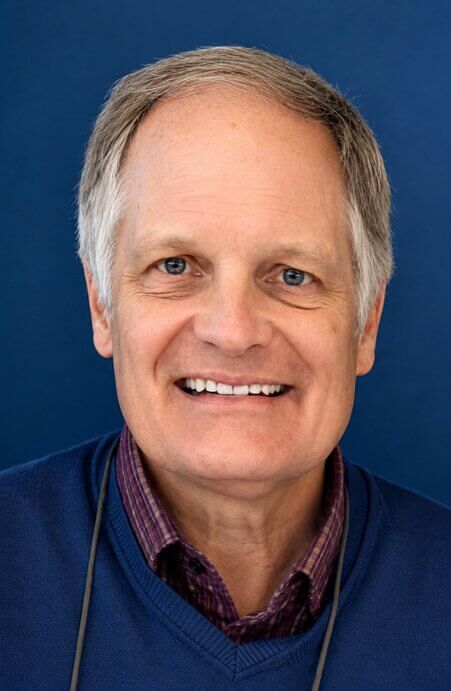
Professor Bradley Hooker
Professor Brad Hooker is Emeritus Professor of Philosophy at the University of Reading, Distinguished Research Fellow at the Uehiro Oxford Institute for Ethics, and Honorary Fellow of St Anne’s College, Oxford. He is internationally recognised as one of the world's leading moral philosophers and is the foremost contemporary advocate of Rule-Consequentialism, a theory that has reshaped modern debates about utilitarian ethics. His book Ideal Code, Real World is widely regarded as one of the most important works in contemporary normative ethics. In this session, students will have the opportunity to engage directly with ideas at the forefront of current philosophical research and to discover how utilitarianism continues to develop beyond the versions encountered in most A Level courses.
Venues
Bookings and Admin
Bookings
These events fill quickly but we appreciate that some schools need time to organise their students. We are keen to help if you need more time.
If your group is smaller than 5 please get in touch and we can help you with your booking
Bookings are made on behalf of pupils by their teacher. If you are studying the online EthIQa A level or do not have a teacher please make contact and we will be happy to advise.
Arrival and Registration
Oxford and Cambridge arrival from 9.30. The programme begins promptly at 9.50 and concludes at 15.15.
London arrival from 9.45. The programme begins promptly at 10.30 and concludes at 16.00
Study Day Fees
Student £38.50
Staff £38.50 1 free place with every 12 students
Unaccompanied teachers attending for PD £220
Please bring your own refreshments.
CPD Bookings
Testimonials
What Students Say
What Teachers Say
Endorsed by
Proud to work with